20 September 2026 · 11 min read
It’s taken me 9 months to write this piece. Every time I’d be happy with a draft, something would hit the news and make me reconsider: There was always a new angle, a new development, or someone switching sides. Which is why today is the perfect moment to just get it out into the world. Knowing it will never be truly ready.
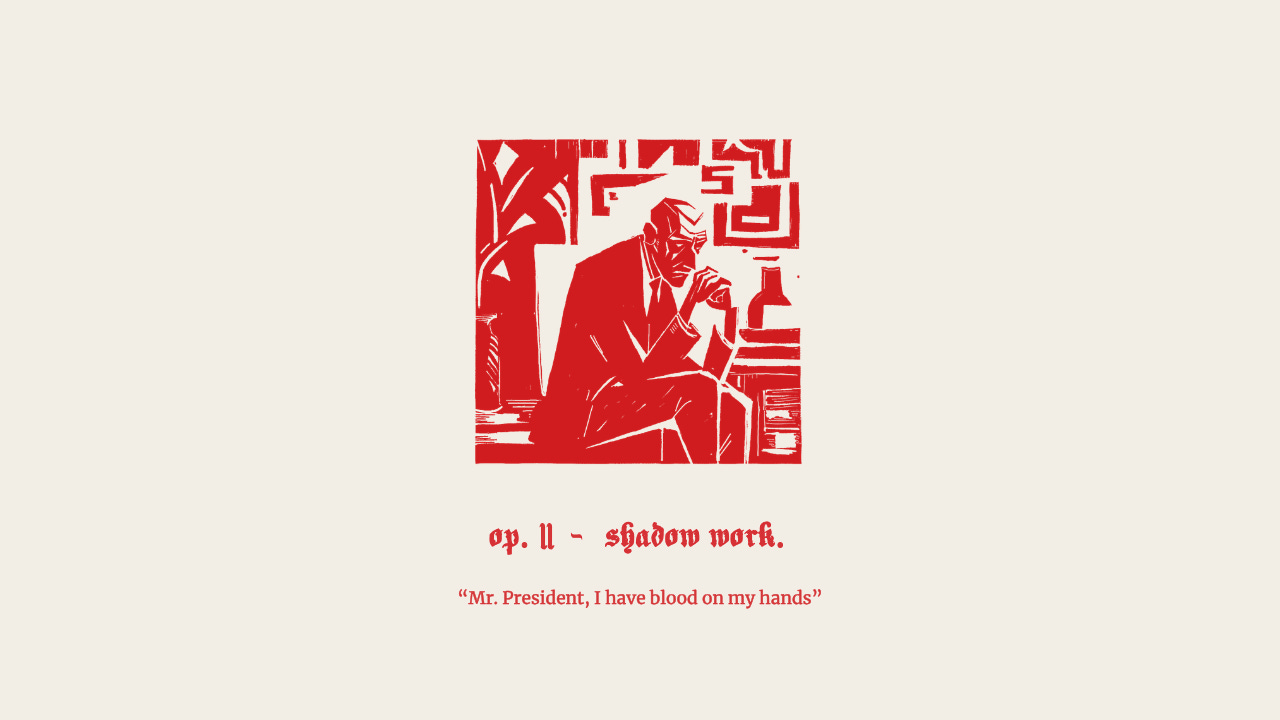
The Jungian concept of “the Shadow” tells us about the sides of us that haunt us. Our shames and fears that rear their ugly face into how we go about our lives. It also argues that these shadows are as integral a part of who we are as the other, more palatable, aspects of our being. To accept the shadow as ourselves is to understand what we can gift to the world around us, even through the parts of us we’re not proud of.
But we still call it a shadow. A dark thing we can’t shake off, a deeply rooted compass that guides our actions and encodes our morals. What seems morally justified to some, may seem atrocious to others.
And, as most of my personal philosophy has shared, there’s no better example of this than when one person believes they alone can change the world. But sometimes, they can also proceed to do it despite the naysayers.
Humans are social creatures. If you asked me to summarize the human experience in one word, I’d most likely pick “Belonging”
Everything we people do, from our worst to our brightest, always ends up coming down to the feeling of not only contributing to a whole, but standing apart from it as well. The very human fears, our honor, our accomplishment or satisfaction, can all be traced back to our relationships to a perceived tribe.
Just to double click on that, when I say “belonging”, it isn’t only how you tap into the collective; the ways how you set yourself aside are equally as important.
We admire the people who think outside the box and break paradigms, or those who reinterpret and breathe new life to old ideas. The entrepreneurs who scout out new avenues of industry, or the artists who speak from the whole through their own lens. Even politicians, at their best, are meant to represent the ideals of millions.
The whole of human experience is one big tug of war between tapping into your tribe and going off on your own to push the boundaries of what they can achieve.
Christopher Nolan’s Odyssey was the film of the summer, and I’d be remiss if I didn’t shove it into this piece somehow.
But jokes aside, I’ve been really keen to giving Nolan’s filmography a deeper look, how it speaks about the artist’s journey, and the sacrifices they have to make both along the way, and when everything is said and done.
I’ll probably need to write a piece about Odysseus and Nolan’s obsession with memetic theory at some point. The weight of releasing a powerful idea into the world, the ritual sacrifice that needs to happen for new ideas to take hold, and what happens when you live to regret your creation. But that’s a topic for another day.
Nothing serves as a better example of the above, than the way Nolan had previously presented the real-life conversation between Dr. Oppenheimer and President Truman, and the infamous quote: “Mr President, I feel like I have blood on my hands”.
Oppenheimer was one of the few people in history who not only lived to see his vision come to change the world, but also to realize the horrible implications that came with, and from then on becoming one of its largest detractors. Similar to Alfred Nobel, who coincidentally enough is also alluded to in the film.
SPOILER: Nolan’s Odysseus is much the same, living to realize he brought on societal collapse by violating the golden rule of Mycenean Greece. (Which, while heavy handed, was a very interesting message to put out into the world in our current times)
I do not envy these people.
But, such are the ways of heroism, pushing forth towards your goal. You’re often blinded as to how much can go wrong until the snowball is already rolling down the hill.
Kings in history, usually the ones bearing “The Great” as an epithet, are measured by how cautious and measured they were when doling out their power into their subjects, while always striving to bring new riches and growth through strategy, diplomacy, and their fair share of conquering.
We call rulers who act out of self-centered-ness something along the lines of “The Terrible” or “The Cruel”.
But all rulers need to draw the boundary, don’t they? Withholding your power can also be seen as neglect to some. To anyone in a position of responsibility, this balance to be played is all too familiar. Damned if you do, and damned if you don’t.
So, who’s to say who you help, when and how?
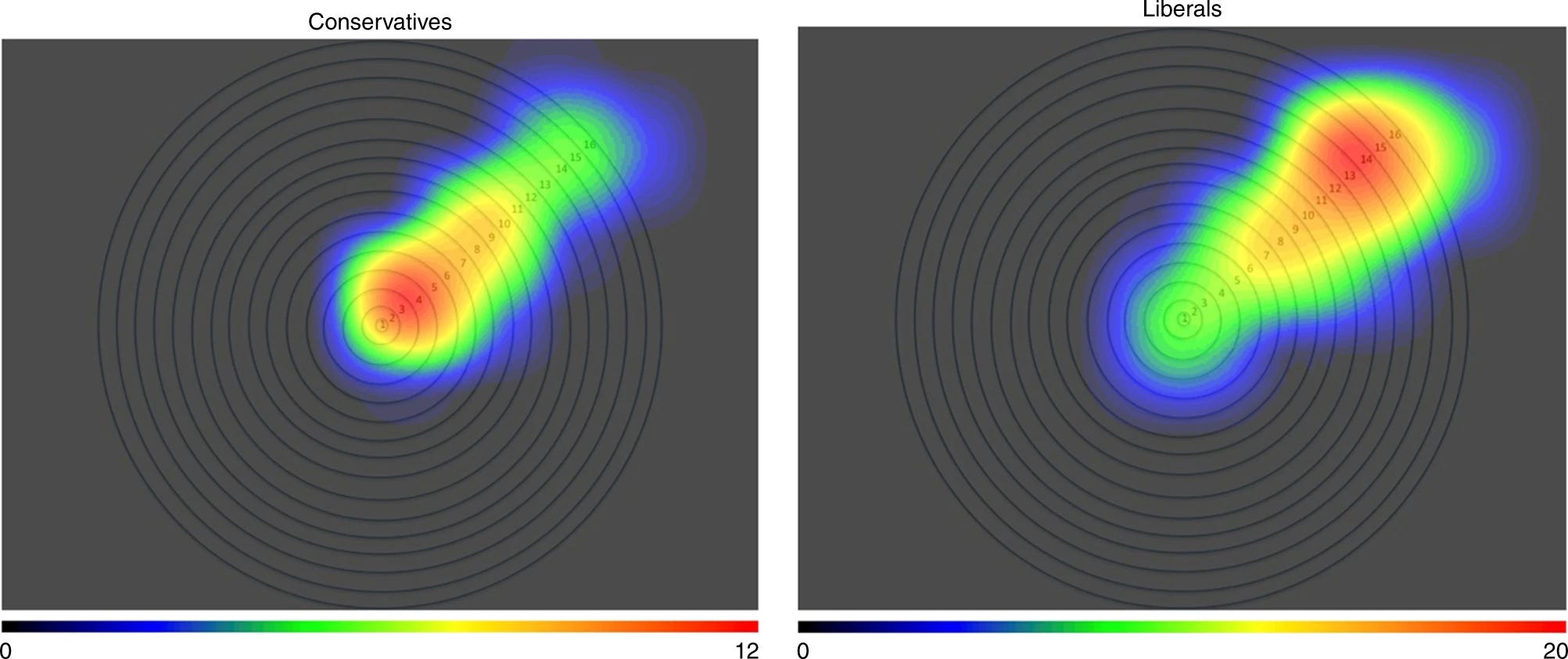
An extremely misquoted and misinterpreted paper from 2019 gives us what, to me, is the start to the answer to that question.
Ask a “conservative” who they should help, and they’ll say people and entities within their closer circle of caring. Their “tribe”, however they may define it. These are people who base belonging around shared values, experiences and stories.
If you then ask a “liberal”, the answer will be much wider. They’re open to help a much broader range of tribesmembers: be them, people, animals, plants, or inanimate and incorporeal objects (like historical buildings, memories, and stories.) To “liberals”, no matter the differences, anyone belongs.
I say “conservative” and “liberal” in quotes, because I don’t believe the true observation is a political one. There is a belief, something that’s taken root, a meme; that leads certain groups of people to delimit who deserves to be cared for as part of their tribe, while others are willing to open up their circle and blur the line. Neither is morally good or bad.
Our stories like to set the roles of heroes and villains, but as any good literature professor will tell you: the best villains are people you can empathize with, even if you see the short-mindedness or extremism in their methods.
It’s only up to how the story is being told, or by whom, that we’ll come to antagonize someone, even if we can relate to their intentions.
I’ve just finished reading Parmy Olson’s “Supermacy”, and while I did enjoy the read, I came out of reading it with conflicted feelings. I can’t help but relate to people like Sam Altman, Reid Hoffman and the other well-known Silicon Valley types.
I’ve spent enough with their ilk to know that their grand visions of the future often come at the cost of a cutthroat disregard for the people they consider to be “in the way”. Rub them the wrong way, and no person who’s spent enough time in the bay area will think twice about stomping on you to achieve their goal.
The pragmatic side of me can even understand this behavior, shitty as it is. If you’re certain of what you’re doing, anyone sewing doubt in your mind is tantamount to someone choking your baby.
It’s strange to feel a sense of kindred with people who are, in an ever-growing amount of cases, objectively making the world a worse place; all while screaming at the four winds how they’re the ones who are gonna save it.
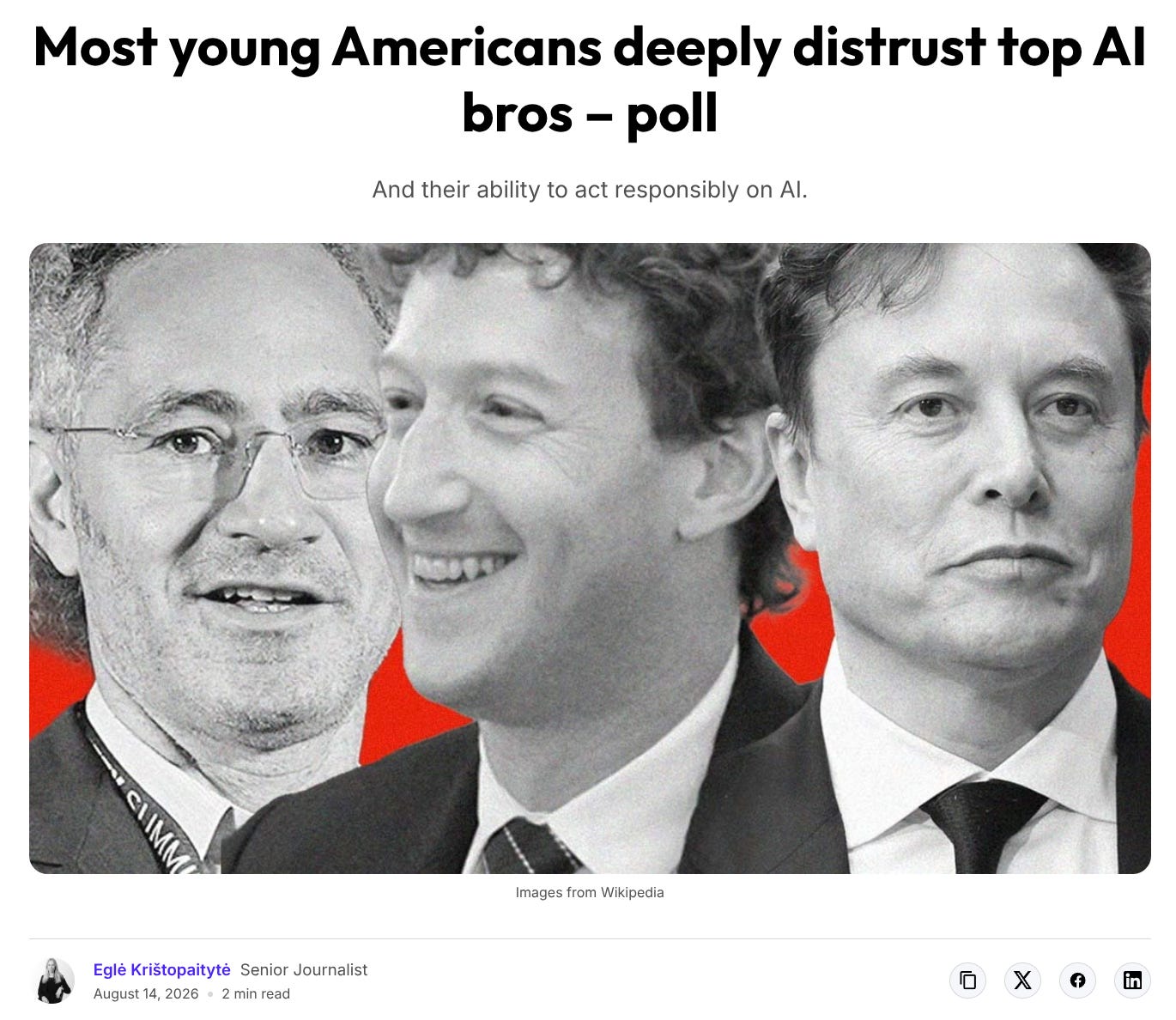
Makes me question whether I’d be among them if I was given the chance to enact my own vision unilaterally.
People like Sam Altman, Elon Musk, and Jeff Bezos believe themselves to be heroes. They’re the fearless, passionate, ever-grinding visionaries who will lead humanity to conquer our bodies, space, and live a life of prosperity.
Yet, ask anyone, and I mean anyone, whether these guys are morally correct in the way they’re achieving those goals, and even their die-hard fans will, at best, say “the price is one worth paying”.
I’ve been part of the crowd that believes I’m one billion-dollar idea away from saving the world. I think all of us have some version of this within us. But very few really understand at what cost these ideas come to pass when they come true.
The internet was built to connect ideas, and it achieved that, but it also became a tool for control and surveillance; pharmaceutical companies are curing diseases and saving lives, but have gotten too used to charging extortionate prices to keep people alive; tourism, universities, the United Nations. Every system or idea that changes the world for the better, also comes at a cost.
That’s where the second kind of people come in.
In what’s been called “The most dangerous day in human history”, the decision to start a nuclear war came down to one person. Wassili Archipow, when faced against his superior officer’s direct orders, chose not to press the (I assume, red) button to launch the nuclear missiles aboard the soviet submarine B-59.
He lived out the rest of his life in disgrace, and only got posthumously recognized for preventing a global nuclear holocaust.
Martyrs aren’t like heroes in that heroes become celebrated through their actions; whereas the former are only recognized through their example, oftentimes after it’s already too late.
But, just as much as heroes, we understand why martyrs are crucial to our world. Ask Mahatma Gandhi, Joan of Arc, MLK Jr., and many more like them.
When I first started writing this article, I was going to set Sam Altman and Dario Amodei as the perfect archetypes for the Hero vs Martyr stances. Little did I expect the lines to get so blurry.
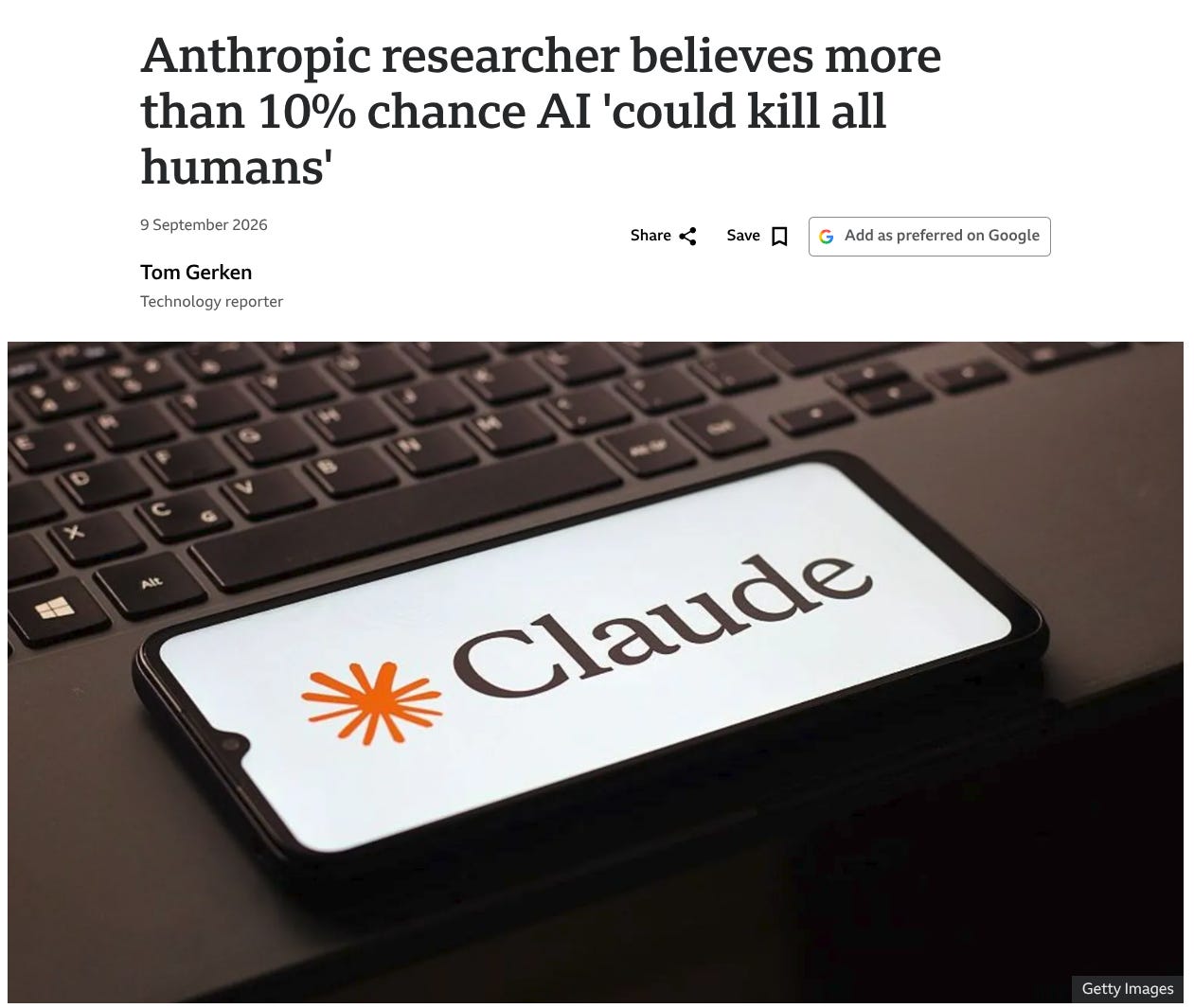
This year, Anthropic has shown us how you can become the man on top, and still play the martyr the whole way to the bank. I find it absurd how they’re still playing the same “AI is dangerous” card while acting just as irresponsibly, if not more, as OpenAI.
If being a true Martyr implies leading through example, that’s not something I can confidently attribute to anyone working in developing the frontier models as of today.
But, just as before, being reckless doesn’t mean you don’t get shit done. And Heroes are people we celebrate because they take action. Amodei has chosen to lead through action, just as Musk and Altman.
But, neither OpenAI nor Xai (or however it’s called now) are openly telling people their AI has a “10% chance to end humanity”.
Both heroes and martyrs have their dark side.
You can say you live to set a standard and make a mockery of what you believe in, and you can also become so determined that you’re blind to the people you hurt while seeking an ideal. Neither of these is healthy or good for the world.
Then what? Should you just be overly cautious? Spineless?
Nikola Tesla hid most of his most ground-breaking inventions because he feared what might’ve happened had he released them without proper care. And Edison stomped him to obscurity for nearly a century.
What always surprises me the most is how everyone keeps acting as if any of these bad things coming out of industry and tech are surprising. We’ve all seen it coming a mile away, we know that grand pursuits come at the cost of the small guy.
This week’s drama about Anthropic bringing on the end of the world is nothing more than a PR push for control. They want to be given the keys to the car, because “Only we can stop the monster we’ve created from ending us all”.
We live in the shadow of technology. All of us are aware of how it’s being misused, irresponsibly developed, caricatured, villainized. And yet we all agree that we need certain aspects of it.
In the same timespan as social media has become the thought machine, and smartphones have made us addicted to the digital world at the real one’s detriment; we’ve also allowed the world to become connected, and information to flow across continents and languages instantly.
We all find the small ways to make every piece of tech useful to us.
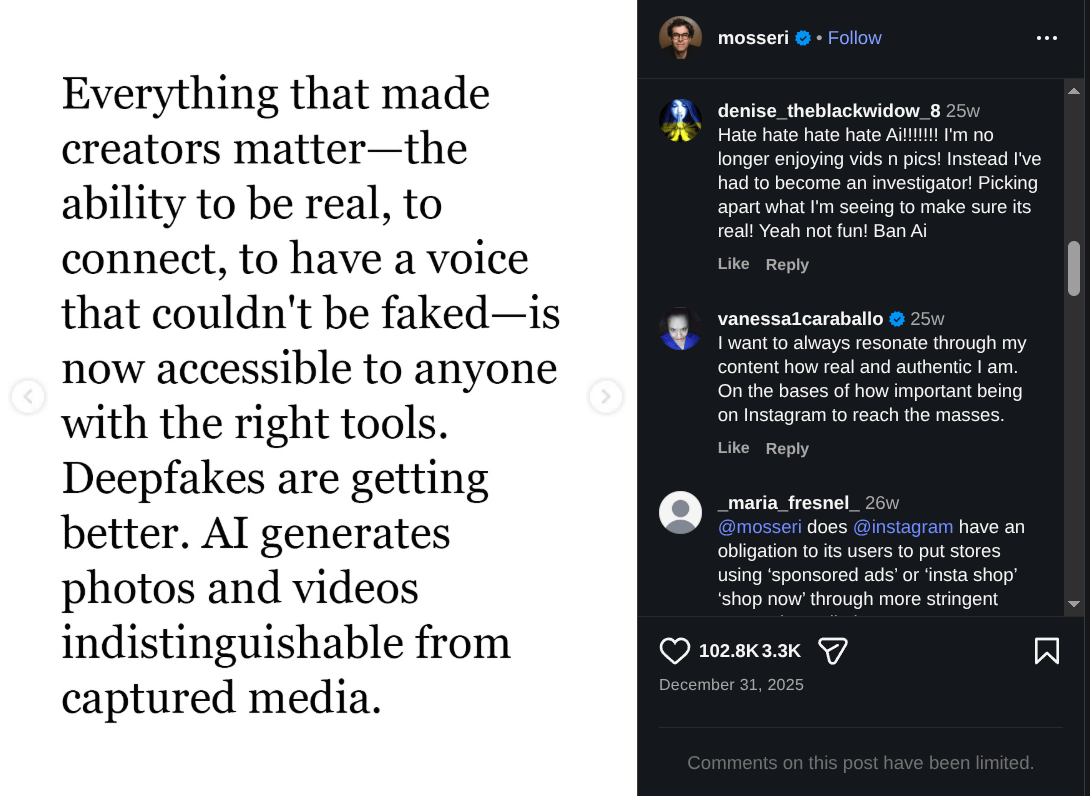
That’s the real moral of the story, in my opinion. Yes, there’s a shadow, but people are resilient and adaptable. And as noisy and overwhelming as the world-scale usage of any tech can be, everyday people find the cracks to slip their lives through.
The good side of technology is always quiet and soft-spoken. We only notice it once the decades and the chaos comes to pass, and in retrospect we can all agree the fear mongering was, in some sense, needed. But we all came out whole in the end.
It takes very few people to act. But it’s only through thousands that you can set an example, regardless of what any martyr will tell you. No great person in history has achieved much in isolation.